
Mastering the Art of Music Performance: A Comprehensive Guide


Understanding the Basics of Music Performance
Music performance is an intricate art that combines technical skill, emotional expression, and stage presence. Mastering this art requires a deep understanding of both the music itself and the audience's expectations. Whether you're a budding musician or a seasoned performer, refining your craft is an ongoing journey.

At the heart of effective music performance is a solid foundation in music theory and practice. Musicians must be well-versed in their chosen instrument or voice, understanding scales, rhythms, and dynamics. This foundational knowledge allows performers to interpret compositions authentically and creatively.
Building Technical Proficiency
Technical proficiency is crucial for delivering a captivating performance. This involves regular practice and refining techniques such as finger placement, breathing, and articulation. Musicians should set aside dedicated practice time each day, focusing on challenging pieces and technical exercises.

Using tools like metronomes and recording devices can help track progress and identify areas needing improvement. Additionally, seeking feedback from teachers or peers can provide valuable insights into performance strengths and weaknesses.
Emotional Connection with Music
Beyond technical skills, connecting emotionally with the music is essential for a memorable performance. Musicians should explore the story behind each piece, understanding the emotions and messages the composer intended to convey. This emotional connection allows performers to infuse their interpretations with authenticity and depth.

Visualization techniques can also enhance emotional expression. By imagining the scenes or emotions depicted in the music, performers can convey these feelings more vividly to their audience.
Developing Stage Presence
Stage presence is the ability to captivate and engage an audience. Confidence, body language, and eye contact play significant roles in how a performance is received. Musicians should practice performing in front of others, starting with small groups and gradually increasing the audience size.
Understanding how to manage stage fright is also important. Techniques such as deep breathing, positive visualization, and focusing on the music rather than the audience can help reduce anxiety and enhance performance quality.
Effective Rehearsal Strategies
Rehearsals are crucial for polishing a performance. Musicians should approach rehearsals with specific goals in mind, such as mastering difficult passages or improving dynamics. Breaking down the music into smaller sections and focusing on one area at a time can lead to more efficient practice sessions.
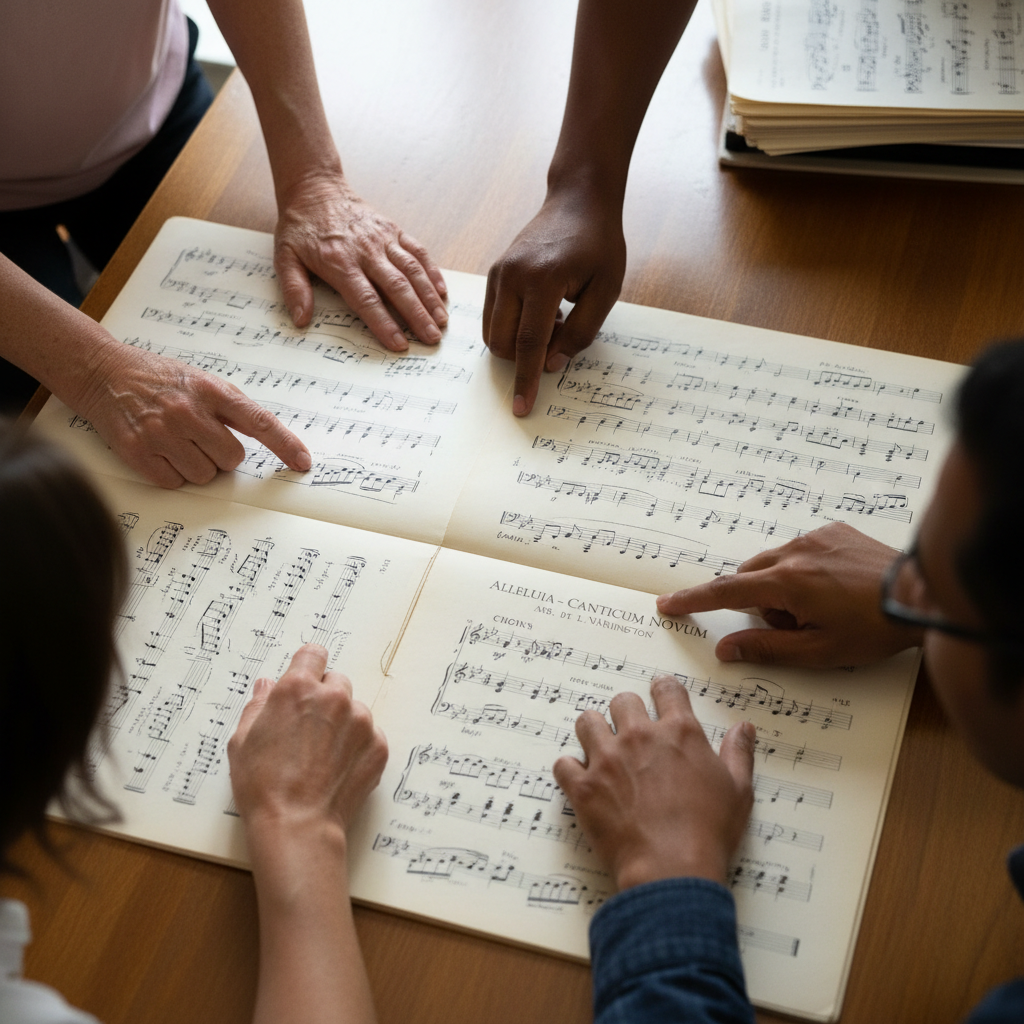
Collaborating with other musicians, such as in ensembles or bands, can also enhance rehearsal effectiveness. Group rehearsals encourage communication, coordination, and listening skills, which are vital for cohesive performances.
Preparing for the Big Day
As performance day approaches, musicians should prioritize rest and mental preparation. Ensuring adequate sleep, proper nutrition, and hydration can significantly impact performance quality. Additionally, mental rehearsal techniques, such as visualizing a successful performance, can boost confidence and reduce nerves.
On the day of the performance, a thorough warm-up routine is essential. This helps to prepare the body and mind, ensuring that the musician is focused and ready to deliver their best.
The Importance of Feedback and Reflection
After a performance, seeking feedback from trusted sources can provide valuable insights for future growth. Musicians should reflect on their own impressions of the performance, identifying areas of strength and opportunities for improvement.

Recording performances and reviewing them critically can also aid in this reflection process, allowing musicians to objectively assess their work and set new goals for future performances.
Continual Learning and Growth
Mastering the art of music performance is a lifelong journey. Musicians should remain open to learning and exploring new styles, techniques, and genres. Attending workshops, taking lessons, and engaging with other musicians can provide fresh perspectives and inspiration.
By embracing both the challenges and joys of music performance, musicians can continue to evolve and create meaningful experiences for themselves and their audiences.