
Mastering the Art of Music Performance: A Comprehensive Guide for Aspiring Artists


The Journey Begins: Understanding Your Instrument
Mastering a musical instrument is the first step towards becoming a proficient performer. Whether it's the piano, guitar, violin, or any other instrument, understanding its nuances and mechanics is essential. Dedicate time to learn the basics thoroughly, as this foundation will support your growth as an artist.

Investing time in regular practice is crucial. Create a structured schedule that allows for consistent progress. Focus on scales, arpeggios, and other fundamental exercises to enhance your technical skills. Remember, patience is key, and improvement will follow with persistence.
The Importance of Repertoire
Building a diverse repertoire is vital for any aspiring musician. It not only broadens your musical understanding but also prepares you for various performance situations. Include pieces from different genres and eras to showcase your versatility.
When selecting pieces, choose those that challenge you while also catering to your strengths. This balance will keep you motivated and ensure steady improvement. As you expand your repertoire, you'll gain the confidence needed to tackle more complex compositions.
Developing Stage Presence
Stage presence is an often-overlooked aspect of music performance. It involves engaging with your audience and conveying emotion through your music. Practice performing in front of a mirror or record yourself to analyze your body language and expression.

Consider attending live performances to observe professional musicians. Take note of their movements, interactions with the audience, and how they handle mistakes. Incorporating these observations into your practice can significantly enhance your stage presence.
Mastering the Art of Improvisation
Improvisation is a valuable skill that adds depth to your performances. It allows you to express creativity and adapt to unexpected situations during live shows. Start by experimenting with simple variations on familiar pieces, gradually increasing complexity as you gain confidence.
Engage in jam sessions with fellow musicians to refine your improvisational skills. This collaborative environment encourages spontaneity and helps you develop a unique musical voice.
Preparing for Performances
Preparation is key when it comes to delivering a memorable performance. Begin by setting clear goals for each practice session leading up to the event. Break down challenging sections and work on them separately to ensure each part is polished.
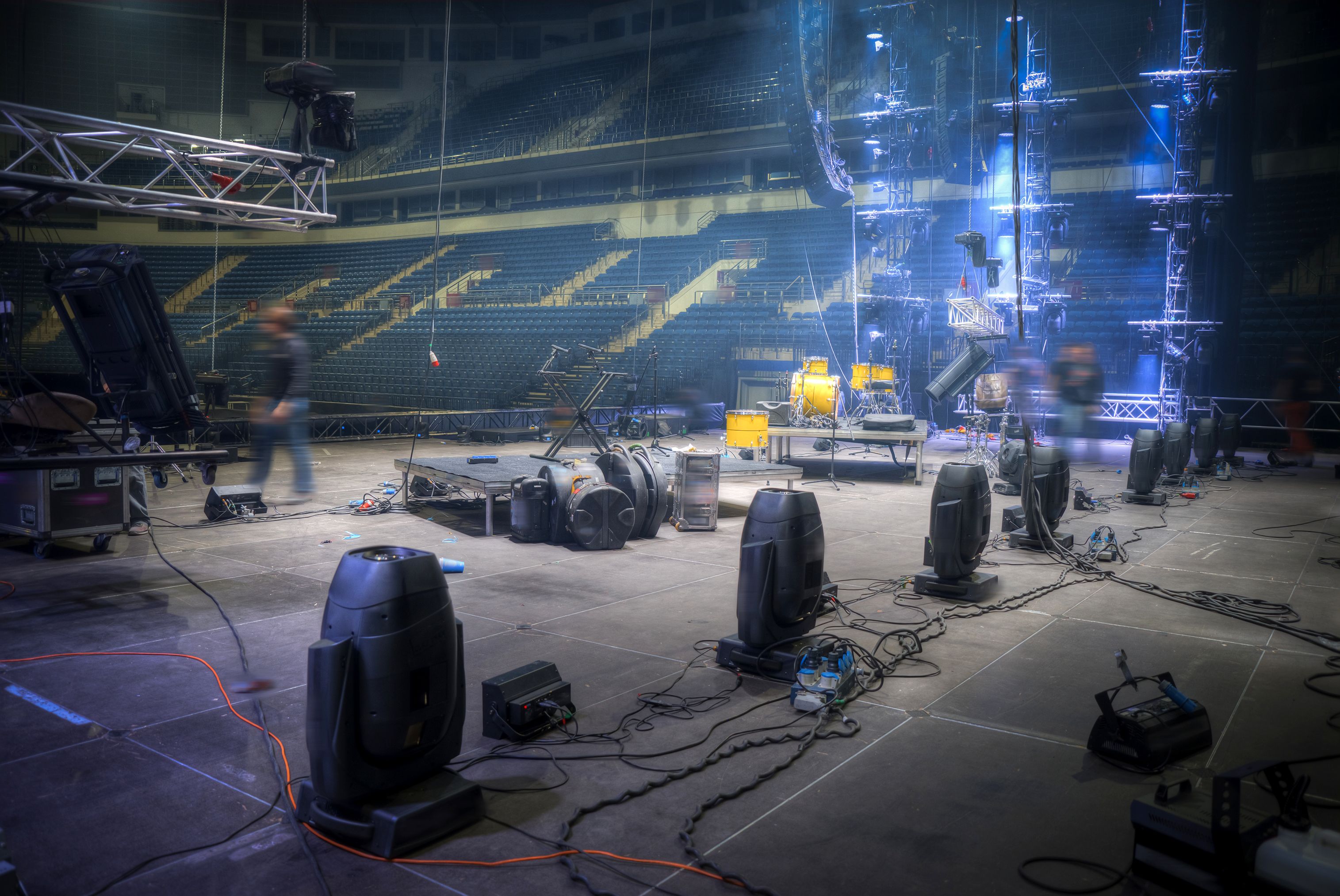
Before the performance day, simulate the event environment as closely as possible. Perform in front of friends or family to get accustomed to playing under pressure. This practice will help you manage nerves and boost your confidence.
Embracing Feedback and Continuous Improvement
Receiving feedback is an essential part of growing as a musician. Be open to constructive criticism from teachers, peers, and mentors. Use their insights to identify areas for improvement and refine your skills.
Set realistic goals and constantly evaluate your progress. Celebrate small victories and learn from setbacks. This mindset of continuous improvement will guide you on your journey to mastering the art of music performance.